

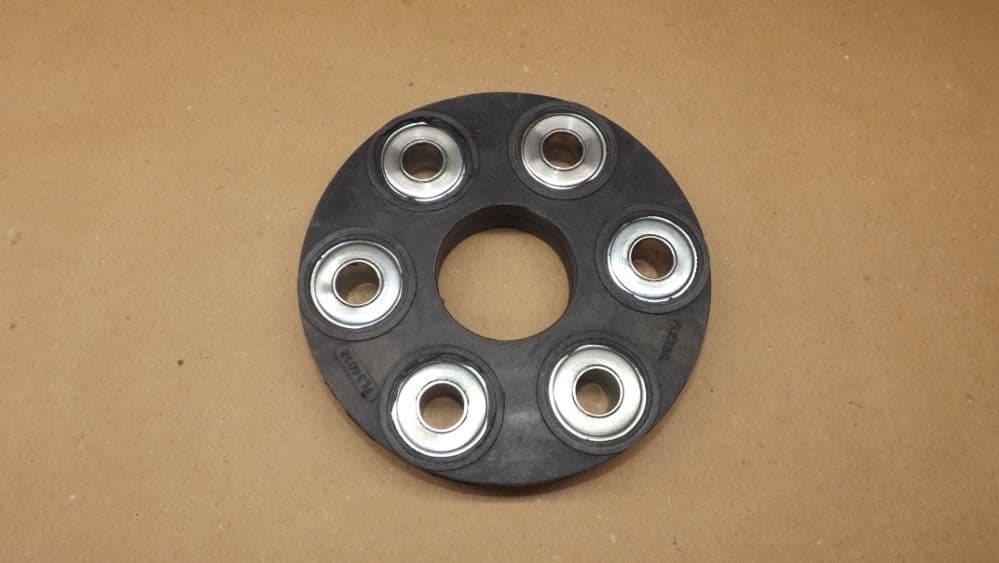
Modern industrial equipment relies heavily on precision, reliability, and efficiency to meet the demands of continuous operation. One of the most critical components ensuring smooth mechanical performance is the coupling system. In particular, the t-flex coupling for torque and vibration control has emerged as a vital innovation for a wide range of industries. By addressing issues such as misalignment, excessive vibration, and uneven torque transfer, the t-flex coupling for torque and vibration control enhances machinery performance, prolongs equipment lifespan, and reduces costly downtime.
Understanding the Function of T-Flex Coupling
A t-flex coupling for torque and vibration control serves as a flexible connector between two rotating shafts, allowing for efficient torque transmission while compensating for misalignment and dampening vibration. Unlike rigid couplings that transfer motion directly and can cause mechanical stress, the t-flex design uses an elastic element that provides flexibility and shock absorption. This flexibility allows machinery to operate smoothly even when alignment is imperfect or when load conditions fluctuate.
The design of the t-flex coupling typically features a series of flexible elements, often made from high-quality elastomeric materials, that absorb and dissipate vibrations. These elements play a critical role in reducing mechanical wear and noise, making them ideal for applications where precision and longevity are priorities. From heavy industrial machines to delicate automation systems, the adaptability of t-flex coupling ensures consistent performance across various operational environments.
In addition to vibration control, the t-flex coupling for torque and vibration control excels in torque management. The coupling transfers rotational power between components without transmitting harmful torsional vibrations that could otherwise damage bearings or other connected parts. This results in smoother motion, reduced energy loss, and more stable operation, even under variable loads.
As industries continue to evolve toward smarter, more efficient systems, the importance of components like t-flex coupling for torque and vibration control has grown significantly. Manufacturers now rely on advanced coupling technology not just to connect parts, but to enhance overall system performance, improve safety, and minimize maintenance requirements.
The Role of T-Flex Coupling in Torque and Vibration Control
Torque and vibration control are essential aspects of maintaining mechanical balance in industrial equipment. When torque is uneven or vibrations are uncontrolled, machinery can suffer from premature wear, noise, and efficiency loss. The t-flex coupling for torque and vibration control helps eliminate these issues by creating a buffer between connected components, absorbing shocks, and compensating for angular, parallel, or axial misalignments.
In systems that require precise torque transmission, such as conveyor drives, compressors, or pumps, this type of coupling ensures that torque is distributed evenly across the connected shafts. This uniformity prevents overload on individual components and enhances the overall reliability of the equipment. The coupling’s ability to handle dynamic loads also allows for smoother acceleration and deceleration, reducing stress during startup and shutdown operations.
Vibration control is another critical benefit of the t-flex coupling for torque and vibration control. Mechanical vibrations can originate from various sources, including imbalanced loads, fluctuating power demands, or structural resonance. If left unchecked, these vibrations can cause excessive noise, loosened fasteners, and component fatigue. The flexible elements within the coupling absorb these vibrations before they spread through the machinery, ensuring quieter and more stable operation.
In precision manufacturing environments, such as robotics or CNC machining, even minor vibrations can affect accuracy and product quality. By integrating t-flex coupling for torque and vibration control, engineers can maintain tight tolerances and improve output consistency. The reduction of vibration also minimizes operator fatigue and extends the lifespan of surrounding components, making it a valuable investment for both performance and safety.
The coupling’s unique ability to control both torque and vibration has made it indispensable in industries like automotive, energy, marine, and food processing. Each of these sectors relies on uninterrupted mechanical performance, and the use of t-flex coupling for torque and vibration control directly contributes to operational stability and productivity.
Advantages of Using T-Flex Coupling in Industrial Applications
The benefits of t-flex coupling for torque and vibration control extend beyond its mechanical function. One of its primary advantages is durability. The materials used in t-flex couplings are engineered to withstand harsh industrial conditions, including exposure to temperature extremes, moisture, chemicals, and continuous motion. This resilience ensures reliable performance and minimizes the need for frequent replacements.
Ease of maintenance is another notable advantage. Since the t-flex coupling is designed with fewer moving parts and high-quality flexible elements, it requires minimal servicing compared to more complex systems. This translates into reduced maintenance costs and less downtime, allowing facilities to maintain peak efficiency.
Energy efficiency also improves when using a t-flex coupling for torque and vibration control. The ability to absorb shock loads and prevent power loss during torque transmission means that machinery runs more smoothly and consumes less energy. Over time, this leads to cost savings and a smaller environmental footprint, aligning with the increasing demand for sustainable industrial practices.
Another key advantage is versatility. T-flex couplings are adaptable to a wide range of configurations and torque capacities, making them suitable for both heavy-duty and precision applications. They can be customized based on specific requirements, such as operating speed, shaft size, or environmental conditions, ensuring that every machine benefits from optimal performance.
From a safety perspective, the t-flex coupling for torque and vibration control enhances overall system reliability by reducing mechanical stress. When equipment operates under constant vibration or misalignment, there’s a greater risk of sudden failures or accidents. By effectively managing these forces, the coupling helps maintain a stable operating environment, protecting both machinery and personnel.
The Future of Industrial Power Transmission
As industries move toward automation and smart manufacturing, the demand for components that deliver precision, reliability, and efficiency continues to grow. The t-flex coupling for torque and vibration control has become a critical part of this evolution, providing the flexibility and control needed to meet modern production standards. Its ability to manage torque and vibration makes it an essential solution for high-performance machinery and energy-efficient systems.
In the future, advancements in material science and engineering design will further enhance the capabilities of t-flex couplings. Manufacturers are exploring new elastomeric compounds and composite materials that can withstand higher temperatures, greater torque loads, and longer operational lifespans. These innovations will allow couplings to perform even better under extreme conditions, offering improved resilience and adaptability.
The integration of digital monitoring technology is also changing how mechanical systems are maintained. Smart t-flex couplings equipped with sensors can track torque levels, detect misalignments, and monitor vibration patterns in real time. This data-driven approach allows operators to predict maintenance needs, prevent failures, and optimize performance before issues arise.
The role of t-flex coupling for torque and vibration control will continue to expand as industries demand greater efficiency and precision. By ensuring smooth power transmission, reducing noise, and protecting vital components, this coupling technology stands as a symbol of innovation and reliability in modern engineering. It not only simplifies machinery design but also contributes to sustainable, long-lasting industrial growth.
As companies aim to maximize uptime, minimize maintenance, and enhance productivity, the advantages of t-flex coupling for torque and vibration control become even clearer. Its proven performance, adaptability, and forward-looking design make it an invaluable part of today’s industrial landscape and a foundation for the future of efficient mechanical systems.
