

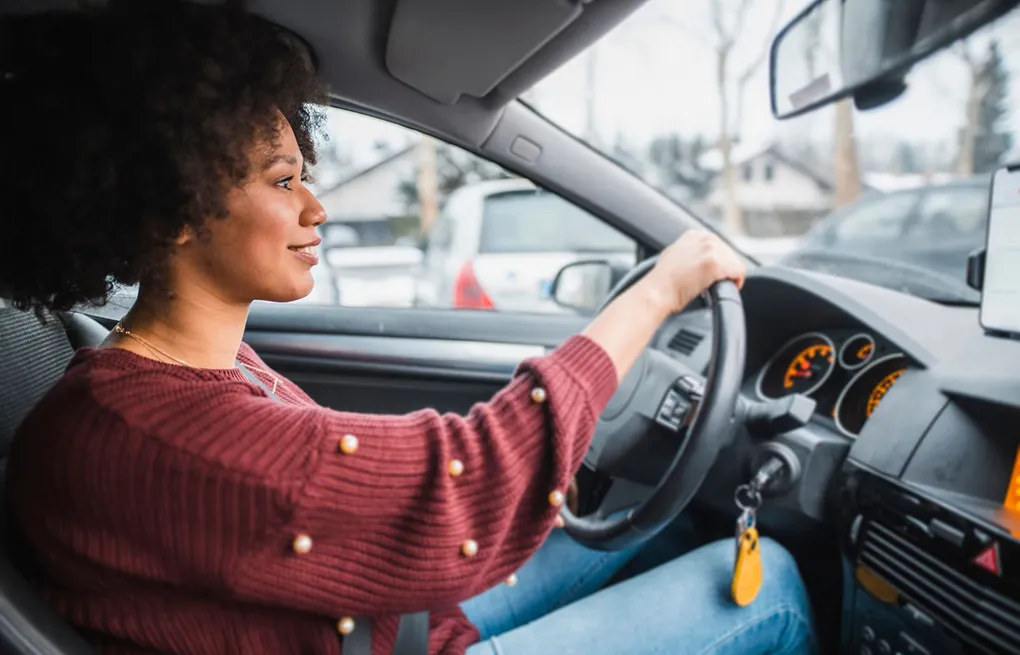
Daily commuting is an unavoidable reality for millions of motorists across the country. Navigating the same stretch of highway or city grid twice a day, five days a week, often creates a false sense of security. Over time, the familiarity of the route breeds complacency, causing drivers to operate on autopilot. However, routine commuter corridors are among the most volatile driving environments, characterized by dense traffic, sudden gridlock, erratic lane changes, and varying levels of driver frustration.
Defensive driving is a systematic approach to operating a motor vehicle that minimizes risk by anticipating hazardous situations despite adverse conditions or the mistakes of others. For the daily commuter, mastering these techniques transforms a high stress journey into a controlled, safe transition. By shifting from a reactive driving style to a proactive, defensive mindset, you can effectively insulate yourself from the chaos of peak traffic hours and ensure you arrive at your destination safely.
Maintaining the Space Cushion and Following Distance
The foundation of defensive driving rests on a simple physical principle: you cannot collide with an object if you maintain adequate space around your vehicle. In heavy rush hour traffic, the natural tendency for many commuters is to tailgate the vehicle directly ahead to prevent other cars from cutting into their lane. This behavior is a primary catalyst for multi car rear end collisions.
A defensive driver actively establishes and protects a space cushion, particularly ahead of their front bumper. Under optimal weather and road conditions, the universal standard is the three second rule. By selecting a stationary object on the roadside, such as a signpost or overpass, you can count the seconds that elapse after the vehicle ahead passes that marker. If your front bumper reaches that same point before you count to three, your following distance is dangerously inadequate.
When commuting in adverse conditions, this space cushion must expand systematically:
-
Heavy Rain or Wet Asphalt: Double the following distance to a minimum of six seconds to compensate for reduced tire traction and the increased physical distance required for hydraulic brakes to halt the vehicle.
-
Winter Weather and Icy Overpasses: Increase the cushion to eight or ten seconds, recognizing that stopping distances can multiply significantly on frozen road surfaces.
-
Following Large Commercial Trucks: Extend the distance to allow yourself a clear view around the massive frame of the truck, ensuring you can see brake lights and traffic patterns unfolding further down the highway.
Mastering Situational Awareness and Eye Scanning Patterns
Complacent drivers tend to fixate their vision solely on the rear bumper of the vehicle directly in front of them. This narrow focus creates a dangerous lag in reaction time. If the vehicle ahead slams on its brakes suddenly, you are forced to execute a panic stop, leaving no margin for error or evasion.
Defensive driving requires maintaining a long range visual scanning pattern. Your eyes should actively scan twelve to fifteen seconds ahead of your current position. On a high speed freeway, this means looking a quarter of a mile down the road. By elevating your gaze, you can identify brake lights illuminating multiple cars ahead, observe lane restrictions early, and notice vehicles changing lanes erratically long before they enter your immediate vicinity.
Simultaneously, situational awareness demands a continuous scanning loop of your vehicle mirrors. You should check your rearview and side mirrors every five to eight seconds. This constant awareness provides a real time map of your escape routes. If an emergency develops ahead, knowing instantly whether your left or right blind spot is clear allows you to make an immediate, life saving evasive steering maneuver without hesitating.
Managing Intersections and Blind Spot Vulnerabilities
Intersections are statistically the most dangerous conflict points on any commuter route. A green traffic light signifies legal right of way, but it does not guarantee physical safety. A significant portion of urban collisions occur when drivers rush through yellow lights or completely ignore red signals due to distraction or impatience.
When approaching an intersection as a defensive driver, never assume other motorists will stop. As the light transitions to green, pause momentarily and perform a rapid visual sweep from left to right, then left again before moving forward. This sweep verifies that crossing traffic has physically halted. Particular attention must be paid to large delivery trucks or buses parked near the corner, as their massive profiles can easily obscure a speeding vehicle or a pedestrian stepping into your path.
Furthermore, managing your own blind spots while actively avoiding the blind spots of other motorists is critical. Large commercial vehicles have extensive blind areas, commonly referred to as no zones, along their sides and directly behind the trailer. If you cruise alongside a semi truck for extended distances, the truck operator cannot see your vehicle in their mirrors. A defensive commuter passes large vehicles promptly or drops back, ensuring they remain clearly visible to all surrounding drivers.
The Psychological Dynamics of Defensive Driving
Defensive driving is as much a mental discipline as it is a physical skill. The stress of time constraints combined with heavy traffic gridlock frequently triggers aggressive driving behavior, commonly known as road rage. Aggressive driving manifests as speeding, weaving through traffic lanes without signaling, tailgating, and forcing right of way.
To maintain a defensive posture, you must consciously decouple your emotions from the driving task. When another driver cuts you off or gestures angrily, view the incident as a mechanical hazard rather than a personal affront. Reacting with retaliation, such as tailgating them back or blocking their lane change, escalates a minor driving error into a highly volatile situation.
The most effective defensive response to an aggressive driver is immediate capitulation. Slow down, yield the lane, and allow the aggressive motorist to pass and distance themselves from your vehicle. By letting them proceed ahead, you effectively transfer the hazard away from your space cushion, leaving you free to resume a calm, focused commute.
Preparing the Vehicle for Commuter Dependability
A defensive mindset is severely compromised if the mechanical asset you are controlling is neglected. A vehicle breakdown on a high speed commuter corridor places you and other motorists in immediate physical danger. Preventive vehicle maintenance is a vital pillar of defensive driving infrastructure.
Routinely verifying that your tires possess adequate tread depth and proper inflation ensures that your vehicle can execute an emergency stop or a sharp evasive turn without losing grip or hydroplaning. Clean, streak free windshield wiper blades combined with topped off washer fluid guarantee that a sudden downpour or road grime spray will not instantly blind your view of the road. Finally, ensuring all exterior lighting, including brake lamps, turn signals, and headlights, are fully operational allows you to communicate your driving intentions clearly to surrounding traffic, reducing the risk of a misunderstanding on the highway.
Frequently Asked Questions
What is the difference between a passive driver and a defensive driver?
A passive driver simply reacts to events as they occur directly in front of their vehicle, often operating with minimal awareness of the broader traffic environment. A defensive driver is actively engaged in risk management, constantly scanning the environment far ahead, anticipating potential mistakes by other motorists, and proactively adjusting their speed and position to maintain safety margins before an emergency actually materializes.
How should a defensive driver handle a tailgater in heavy commuter traffic?
If a vehicle is tailgating you closely, do not tap your brakes aggressively or attempt to block them. The safest defensive strategy is to gradually increase your own following distance from the vehicle ahead of you. This extra space ahead provides a larger buffer, allowing you to brake slowly and smoothly if traffic stops, reducing the likelihood that the tailgater will slam into your rear bumper. Whenever safe, change lanes and allow the tailgater to pass.
Why is cruise control discouraged during a rainy or inclement weather commute?
Using cruise control in wet, snowy, or icy conditions is highly dangerous because it disconnects the driver from immediate throttle control. If your vehicle hits a patch of standing water and begins to hydroplane, the cruise control system may detect the sudden drop in resistance and apply more throttle to maintain the set speed. This sudden acceleration can cause a complete loss of traction and send the vehicle into an uncontrollable skid.
What is brake covering and when should a commuter utilize this technique?
Brake covering is a defensive technique where you release the accelerator pedal and hover your right foot directly over the brake pedal without actually pressing it down. This action eliminates the physical reaction time required to move your foot from the gas to the brake. This technique should be utilized when navigating high risk areas, such as driving past a row of parked cars where a door might open, approaching a busy intersection, or navigating a congested highway merge zone.
How can a commuter safely determine their escape route on a crowded freeway?
Determining your escape route requires constant scanning of the lanes flanking your vehicle. A defensive driver avoids driving directly parallel to other cars in adjacent lanes whenever possible, actively creating an open pocket of space to their left or right. If a sudden obstacle appears in your path, this open pocket serves as an immediate, pre planned exit path where you can steer safely to avoid a collision.
Why are the first few minutes of a rainstorm considered the most dangerous for commuting?
The initial phase of a rainstorm is exceptionally hazardous because the falling water mixes with the accumulated engine oil, grease, fuel residue, and rubber dust that has settled into the asphalt pores over time. This mixture floats to the surface of the road, creating an invisible, highly slippery film that drastically reduces tire traction. After a period of heavy, sustained rain, this oily residue is eventually washed away, but those first few minutes demand extreme caution and reduced speeds.
