
The transformation of the automobile over the past few decades has rewritten the rules of vehicle engineering. For generations, a car was primarily a mechanical machine powered by a complex network of gears, levers, hydraulics, and combustion. Today, the modern vehicle has evolved into a highly sophisticated mobile computer network. Microchips, digital sensors, and advanced software systems act as the silent orchestrators of the driving experience.
Automotive electronics have fundamentally changed how cars handle the open road, optimize their own energy consumption, and interact with the operator. This massive digital shift is driven by the integration of Electronic Control Units, which communicate via localized data networks inside the vehicle chassis. By breaking down how these electronic architectures function, vehicle owners can gain a clearer understanding of the hidden technology that makes modern transportation safer, smoother, and incredibly efficient.
The Evolution of the Powertrain Control Module
At the center of every modern vehicle sits a powerful digital hub known as the Powertrain Control Module or Engine Control Unit. This advanced microcomputer is responsible for managing the primary propulsion elements of the vehicle. In older mechanical vehicles, fuel delivery and ignition timing were regulated by physical hardware like carburetors and vacuum distributors. These systems struggled to adapt to changing air pressures, engine temperatures, or varying fuel qualities.
Modern powertrain electronics solve this problem by managing a massive real-time data loop. Dozens of highly sensitive engine sensors constantly read information regarding incoming air volume, coolant temperature, exhaust oxygen levels, and crankshaft position. The control module processes these electrical signals hundreds of times per second.
Based on this ongoing data flow, the computer alters exactly how much fuel is injected into each cylinder and precisely dictates when the spark plugs ignite. This level of microscopic electronic control results in optimal fuel economy, significantly lower tailpipe emissions, and a highly responsive engine that performs predictably in freezing winter weather or blazing summer desert heat.
Advanced Driver Assistance Systems and Predictive Safety
The implementation of active safety systems is arguably the most impactful achievement of modern automotive electronics. Traditional safety features, such as crumple zones and seat belts, were entirely passive, meaning they only functioned after a physical impact had already occurred. Advanced Driver Assistance Systems change this dynamic by actively predicting and preventing accidents before they can take place.
These predictive driving features rely on a complex sensory array wrapped entirely around the exterior of the vehicle. This array combines high-definition camera lenses, radar modules hidden inside the front bumper, and ultrasonic proximity sensors. The vehicle central processing computer interprets these overlapping data streams to create a dynamic digital map of the surrounding road environment.
-
Autonomous Emergency Braking: If the forward radar detects an object or vehicle stopping suddenly ahead, and the driver fails to respond to auditory warnings, the computer takes direct control of the hydraulic braking system to stop the car automatically.
-
Lane Keeping Assistance: Side-facing cameras monitor painted road markers. If the driver begins to drift out of their lane without utilizing a turn signal, the electronic power steering module applies subtle corrective torque to guide the vehicle back into place.
-
Adaptive Cruise Control: Unlike traditional cruise control that holds a single rigid speed, electronic radar units adjust throttle inputs and brake application automatically to maintain a perfectly safe following distance from the vehicle directly ahead.
Digital Chassis Management and Stability Controls
The physical handling and stability of a modern vehicle are heavily managed by advanced chassis electronics. In the past, recovery from a dangerous skid or a sudden loss of traction depended entirely on the fast reflexes and driving skills of the operator. Modern digital stability networks calculate and execute safety corrections far faster than any human driver possibly could.
Electronic Stability Control and Anti-lock Braking Systems operate by tracking individual wheel speeds through magnetic sensors. If you make a sudden evasive maneuver to avoid an obstacle on a wet or icy highway, these sensors quickly detect when a specific tire loses its grip and begins to slide.
Rather than allowing the vehicle to spin out of control, the chassis management computer calculates the exact countermeasure required. The system can modulate brake pressure to an individual wheel while momentarily reducing engine power output. By applying the brake to just the outer front wheel, for example, the electronics create a mechanical pivot force that pulls the vehicle back onto its intended heading, saving lives during extreme driving emergencies.
Intelligent Comfort and Climate Environments
The internal cabin experience has been completely rewritten by electronic integration. Luxury and comfort features that once required manual knobs, cables, and mechanical sliders are now managed by localized microprocessors that maximize passenger comfort while lowering driver distraction.
Modern climate control systems utilize automatic ambient air temperature sensors and solar radiation meters located on top of the dashboard. Instead of forcing you to constantly fiddle with a fan speed dial, the interior comfort computer calculates exactly how hard the blowers need to work and alters the blend doors inside the dashboard to maintain a precise cabin temperature.
Furthermore, memory seating configurations store the exact electric motor positioning adjustments for multiple drivers. These comfort modules link directly to specific key fobs, ensuring that the moment you unlock the door, the driver seat, side mirrors, and steering column automatically slide into your preferred driving position.
Next Generation Infotainment and Telematics
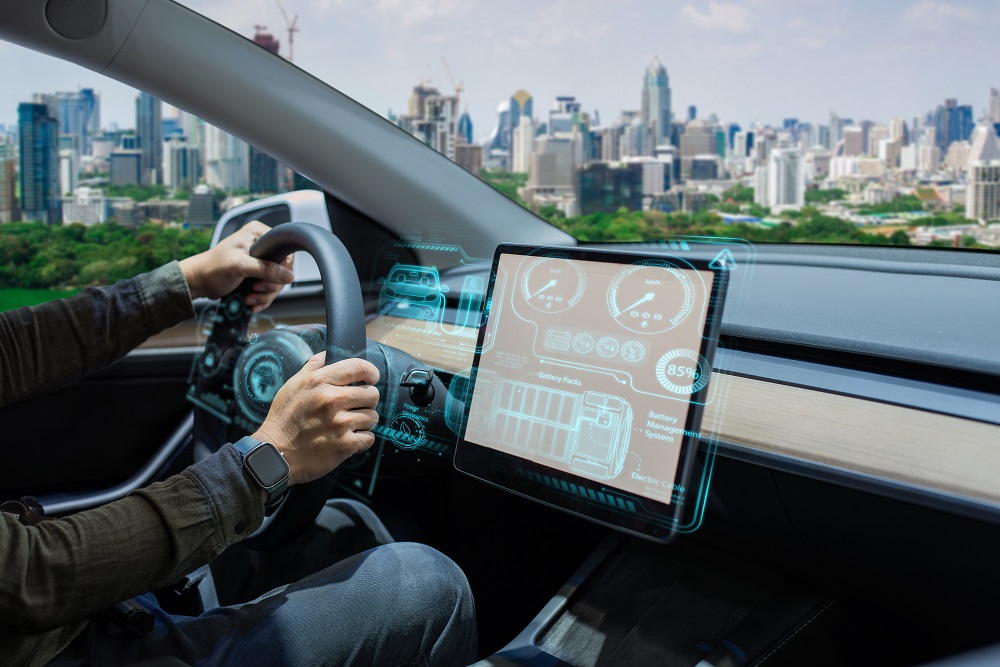
The center dashboard layout of the modern vehicle has transitioned into an immersive digital cockpit. High-resolution touchscreen infotainment systems serve as the main interaction portal between the driver and the machine. These electronics run complex operating systems capable of managing wireless data connections, smartphone projection systems, and localized navigation processing.
Telematics systems extend the electronic capabilities of the vehicle far beyond its physical body panels. Built-in cellular modems allow cars to communicate constantly with cloud servers. This connectivity enables over-the-air software updates, allowing manufacturers to improve vehicle efficiency, patch software bugs, and even introduce entirely new driving features directly to your car while it sits parked overnight in your driveway.
Additionally, these telematics units automatically broadcast critical GPS location data and airbag deployment status to emergency response networks the instant a serious collision is detected, ensuring help arrives quickly even if the occupants are incapacitated.
Frequently Asked Questions
What is the primary purpose of the Controller Area Network bus in automotive electronics?
The Controller Area Network bus, or CAN bus, acts as the central nervous system of a modern vehicle. Instead of running miles of heavy individual copper wires between every single switch, sensor, and computer, the CAN bus allows all Electronic Control Units to share data over a single, highly efficient digital highway. This shared network ensures that the transmission controller, engine computer, and braking system can instantly talk to one another and synchronize their actions without cluttering the chassis with excessive wiring.
How does electronic power steering improve vehicle efficiency compared to older hydraulic systems?
Traditional hydraulic power steering relies on a mechanical pump driven constantly by a rubber belt connected to the engine crankshaft. This means the engine is always wasting fuel to turn that pump, even when you are driving straight down a long highway and require no steering assistance. Electronic power steering utilizes a targeted electric motor that only draws power from the alternator when the driver physically turns the steering wheel, reducing engine load and improving overall fuel economy.
Why do some electronic safety sensors stop working during heavy rain or snowstorms?
Advanced driver assistance features rely on optical cameras and radar units to see the road environment. Extreme weather conditions like blinding snow, heavy downpours, or thick mud can physically block the camera lenses or obscure the radar sensors hidden in the front grille. When the central computer detects that its digital vision is too degraded to guarantee safe operation, it will temporarily disable systems like lane keeping assist and illuminate a warning light on your dashboard to tell you that manual control is required.
What is the specific function of a vehicle body control module?
While the engine computer focuses on propulsion, the Body Control Module manages the primary electronic accessories throughout the interior and exterior of the vehicle frame. The body control module coordinates the operations of the electronic power locks, interior lighting arrays, power window regulators, windshield wipers, and anti-theft alarm systems, acting as the secondary manager for all non-engine electronic components.
Can an automotive electronics failure cause a vehicle brake pedal to stop working entirely?
No. Vehicle braking systems are legally required to maintain a physical, closed-loop hydraulic connection between your foot and the brake calipers at the wheels. If a total electronic failure occurs and the anti-lock braking computer loses power entirely, the mechanical and hydraulic portions of your brakes will continue to function. You will lose advanced electronic assistance features like stability control, and the pedal may require more physical effort to press, but the car will still slow down and stop when you press the pedal.
How do over the air updates work on modern automotive software platforms?
Over-the-air updates utilize the cellular data modem or home Wi-Fi connection built into the vehicle infotainment system. When the manufacturer releases a software improvement or security patch, the vehicle downloads the data files in the background while you drive. Once the car is parked safely and turned off, the system installs the new code into the relevant control modules, much like a standard smartphone updating its software overnight.
